
Goodbye Minimalism, Hello Warmth (4 Steps To A Calm, Inviting Living Room)
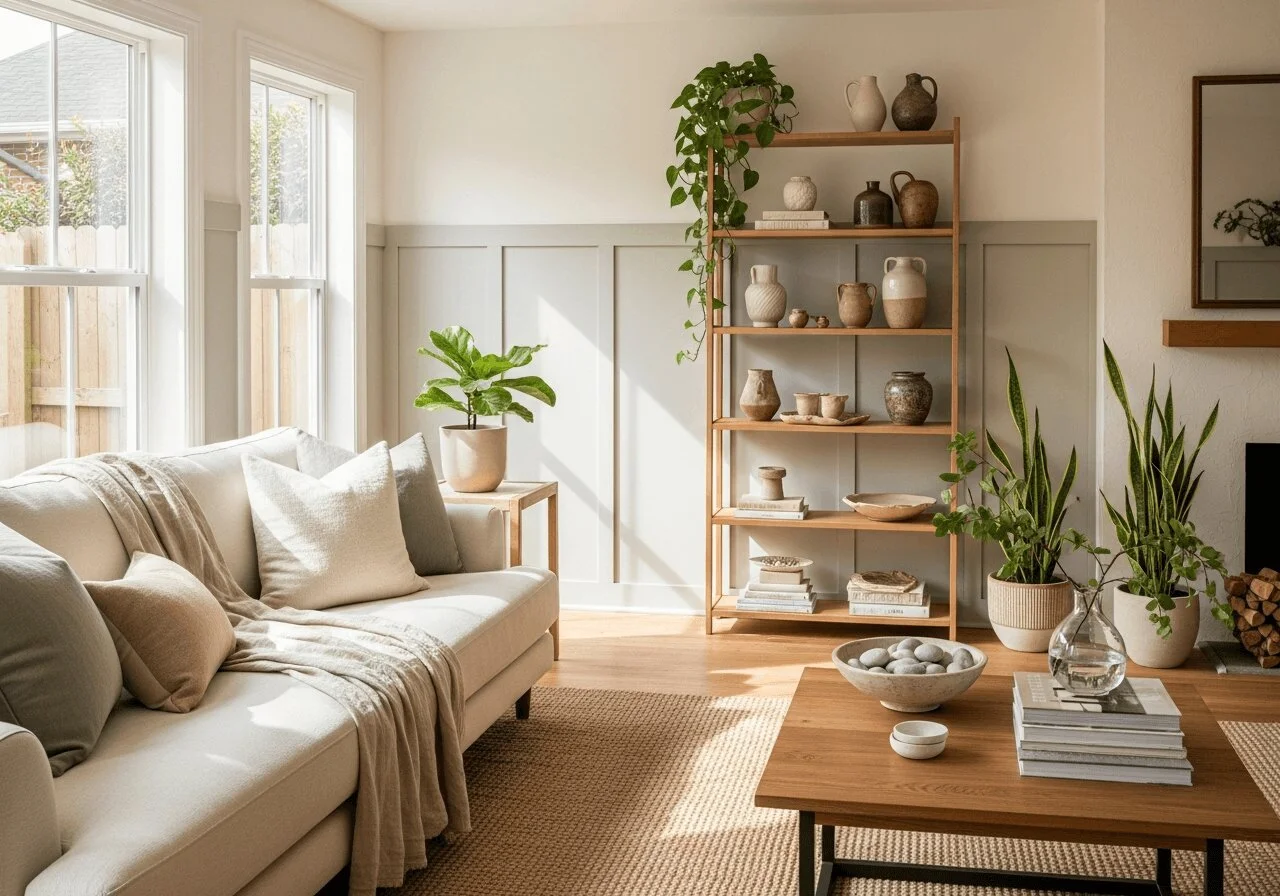
This post about how to make your living room feel warm and inviting contains a collaboration with Modani.
Thoughtful furniture selection forms the foundation of everything that follows, and choosing modern coffee tables can anchor the room beautifully while delivering the practical utility that everyday living demands.
Beyond individual pieces, though, a truly welcoming living room depends on a handful of enduring principles: intentional material choices, a grounded color strategy, and a layered layout that balances comfort with character.
The good news is that small, deliberate changes can transform even an unremarkable room into something genuinely timeless!
For years, interior design celebrated sterile modernism with cool tones, sharp angles, and ruthlessly clutter-free spaces that looked better on Instagram or in magazines than they felt to actually live in. Today, the pendulum has swung decisively toward softer, personality-driven environments that prioritize livability over showroom aesthetics.
Designer Jennifer Davis notes that cold, monochromatic palettes are increasingly giving way to earthy tones and layered patterns that inspire genuine comfort and a sense of ease.
High-end interiors now favor nuanced colors, richer materials, and tactile finishes that quietly invite people to sit down, stay a while, and actually relax. The key takeaway is to prioritize warmth and livability over starkness in every design choice.
4 Ways To Make Your Living Room Feel Warm & Comforting
#1: Choose Natural Materials For Authenticity & Durability
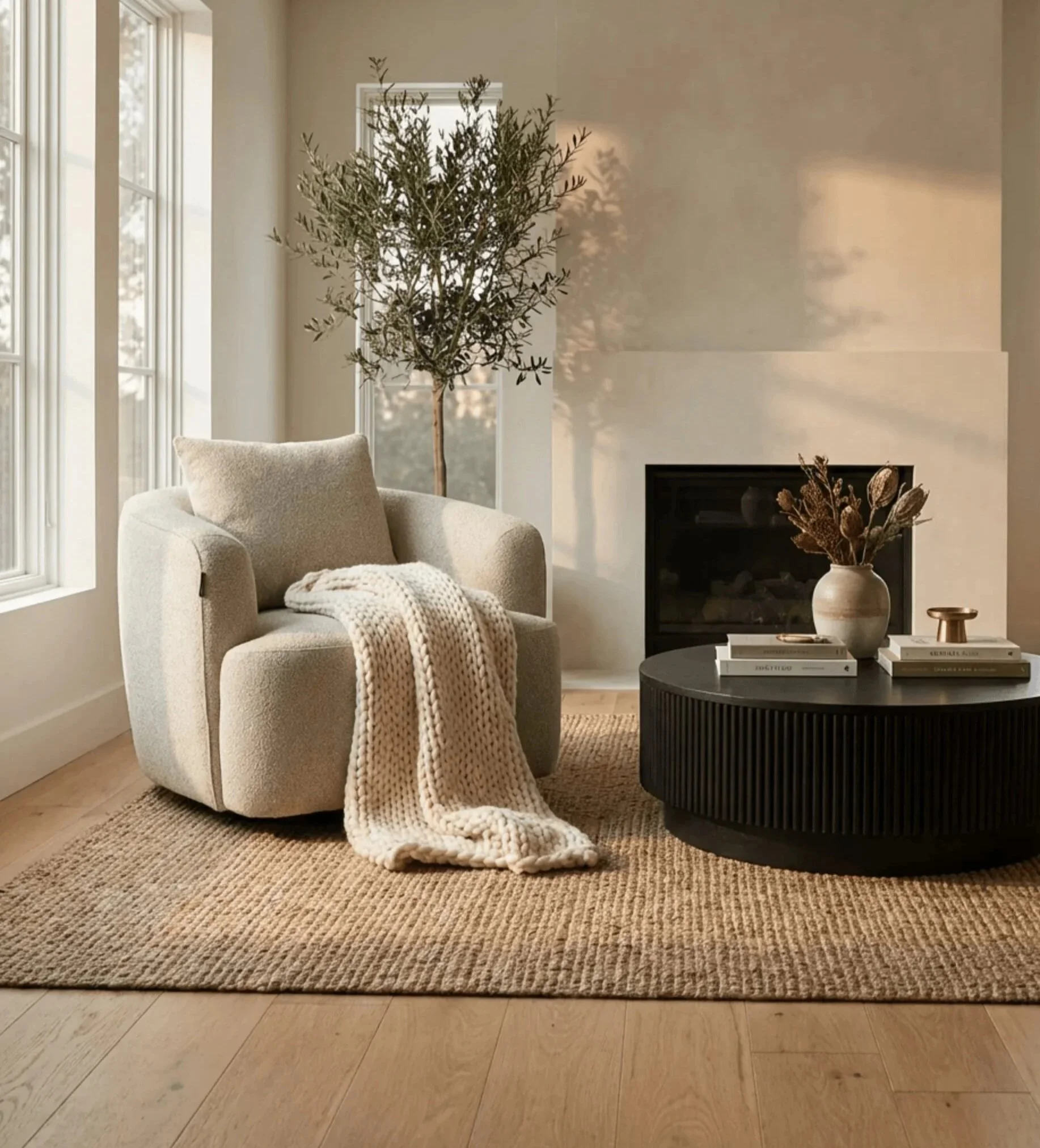
The growing preference for natural, tactile materials reflects something deeper than trend-chasing. It speaks to a broader desire for authenticity in the home. Warm woods, stone surfaces, plaster walls, unlacquered metals, and richly textured textiles have all become foundational elements in enduring living room design.
Designers Brad Ramsey and Justin Orton have both emphasized that grounding a space with genuine textures (rather than synthetic substitutes) produces rooms that age gracefully and feel inherently trustworthy.
A few practical material considerations worth keeping in mind:
Opt for woods with natural variation to introduce visual interest and organic character.
Use unlacquered metals for a subtle patina that develops beautifully over time.
Incorporate textiles with real texture like linen, wool, or cotton for both comfort and visual depth.
Handmade tiles on an accent wall or thoughtfully crafted wooden furniture details are excellent examples of elements that only improve with age, offering lasting value alongside genuine aesthetic appeal.
#2: Use A Warm, Earthy Color Palette
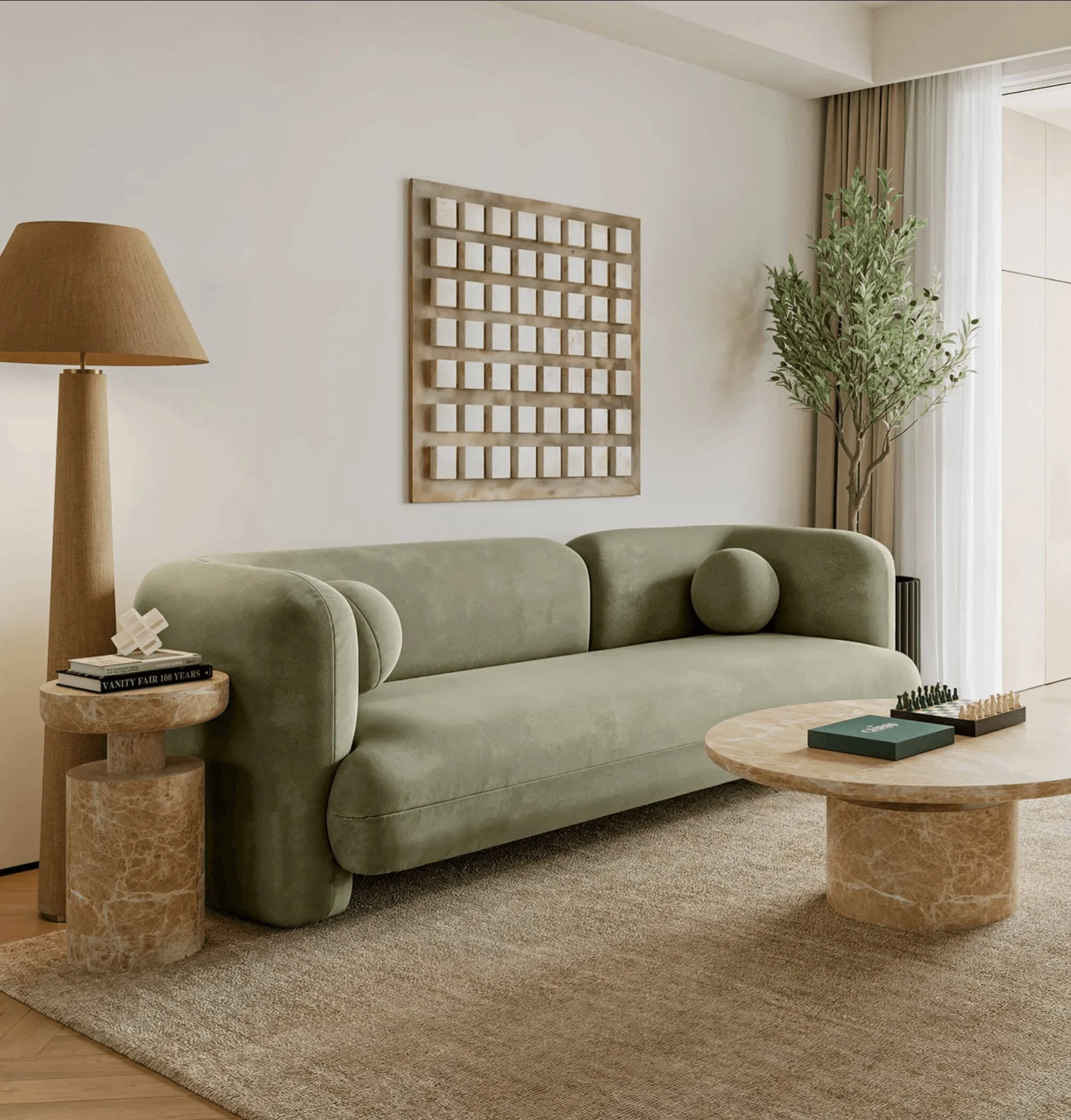
The shift away from cool grays and stark whites toward earthy neutrals is one of the most significant and enduring changes in living room design in recent years.
Creamy off-whites, sandy tones, olive greens, eucalyptus, deep navy, and blue-green hues can create remarkably grounding atmospheres when layered thoughtfully across walls, furnishings, and accents.
Color psychology supports this approach: warmer tones encourage relaxation without overwhelming the senses. Picture a living room refreshed with earthy walls and coordinated soft furnishings. The result tends to feel cohesive, calming, and quietly timeless.
#3: Use Layers To Build Intentional Maximalism & Defined Spaces
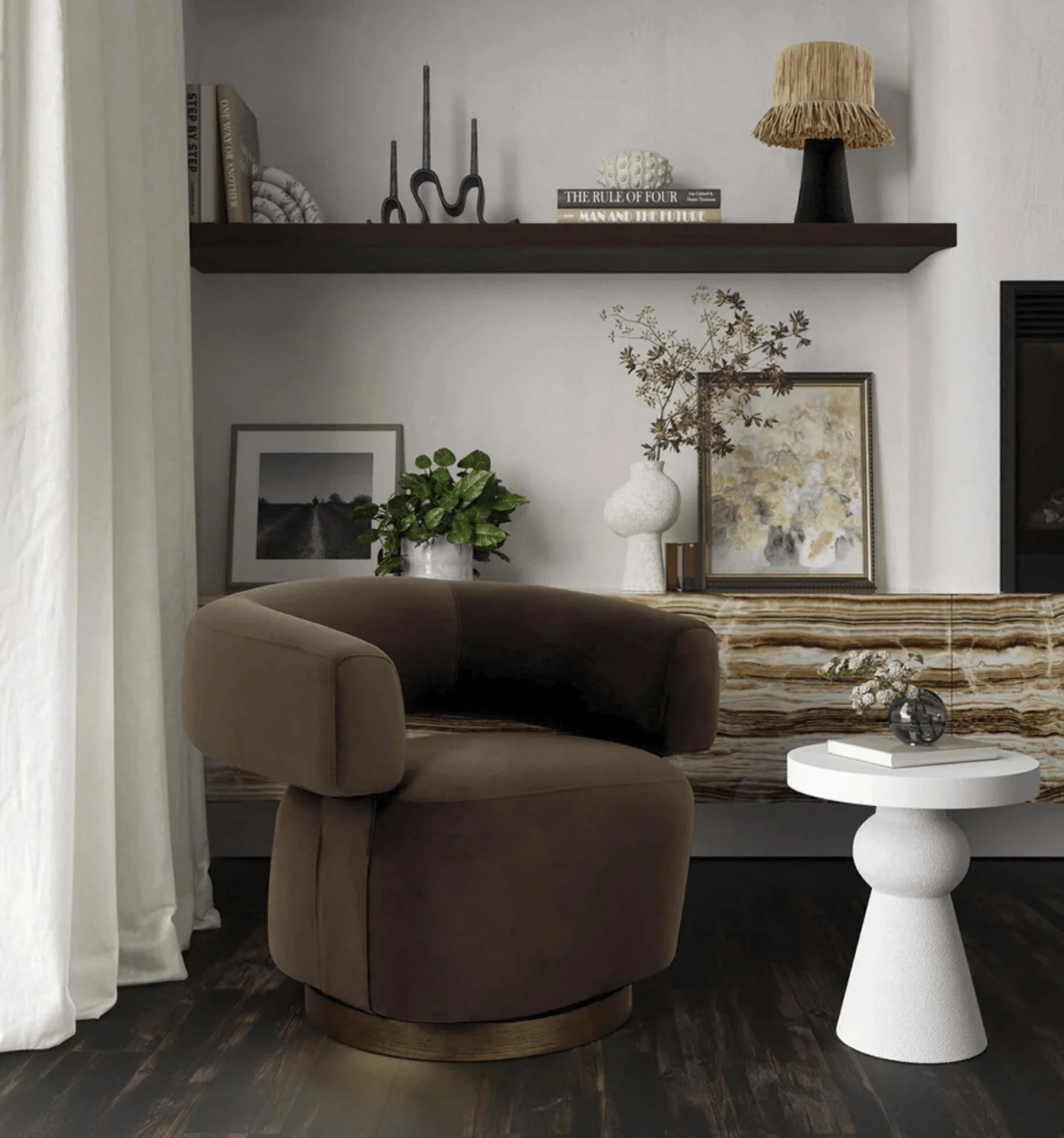
Intentional maximalism is the art of layering meaningful objects, patterns, and textures, and it’s fundamentally different from clutter. The goal is a space that tells a story while remaining fully functional.
Defined room layouts, rather than sprawling open plans, are also regaining favor for the sense of privacy and purposefulness they offer. A living room divided into distinct conversation zones using rugs and furniture groupings manages to feel both cozy and sophisticated at the same time.
Here’s a practical layering sequence to guide the process:
#1: Start with foundational furniture to establish scale and flow.
#2: Add textural textiles and art to build visual warmth.
#3: Incorporate personal artifacts last to reflect individual identity.
Related: 7 Unexpected Living Room Decor Pieces That Make Your Space INSTANTLY Cool!
#4: Enhance Walls & Surfaces With Texture & Art
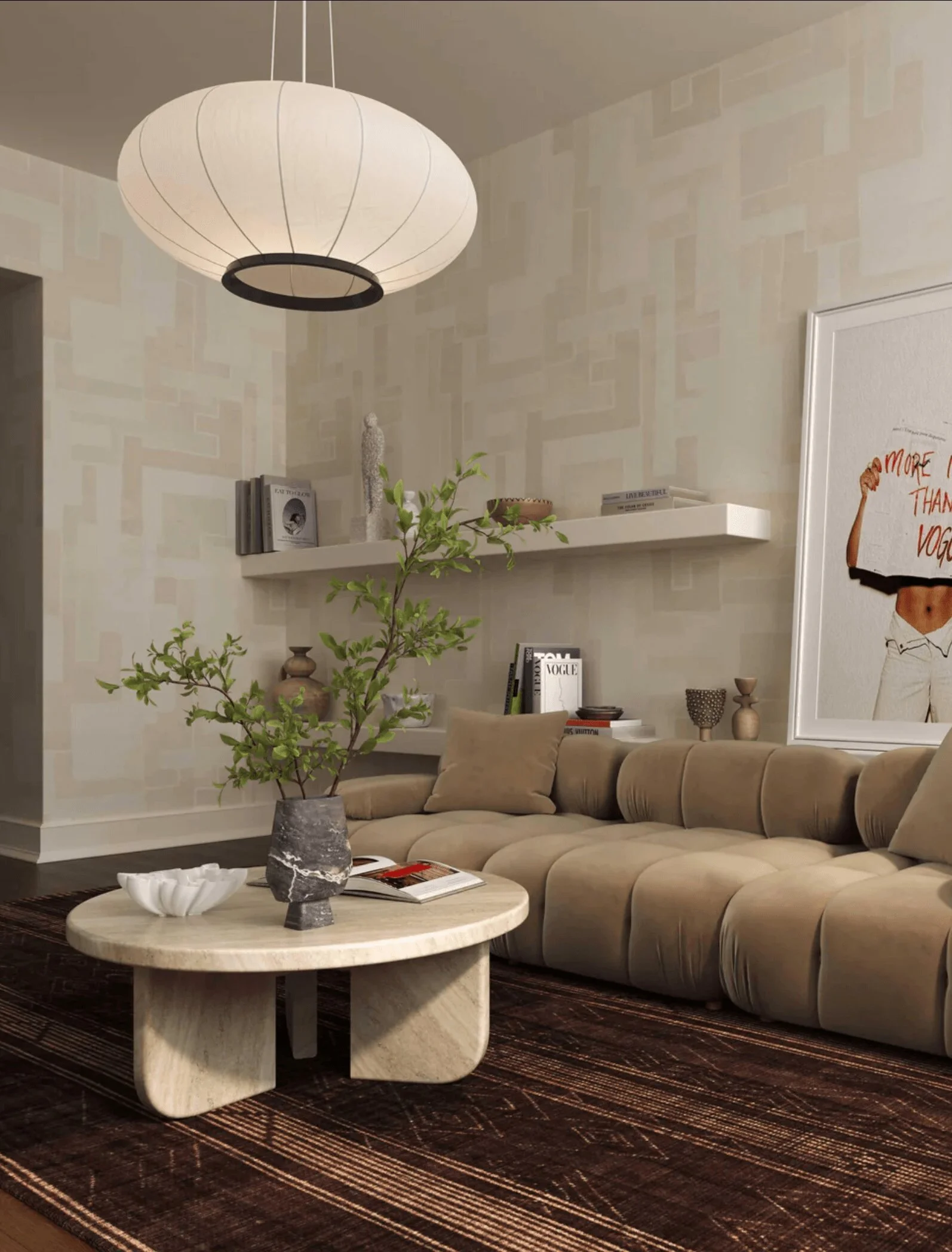
Walls represent an often-underutilized opportunity to add richness and dimension to a room. Textured wallpapers, plaster treatments, grasscloth, and material-inspired murals introduce depth that paint alone simply cannot achieve.
Large-scale abstract or nature-inspired artwork elevates the visual experience further still. When selecting wall treatments, it's worth testing samples in natural light and verifying material quality for fade resistance (sound choices here protect both the investment and the overall aesthetic over time).
Closing Thoughts: Practical Steps For Your Living Room Refresh
A well-designed living room reflects how you actually live, supporting well-being through thoughtful, timeless decisions rather than chasing whatever happens to be fashionable.
Embrace natural materials, a warm color palette, layered personal touches, and a functional layout to create a space that outlasts passing trends with ease.
Start small: swap one cold accent for a warm, textured material and pay attention to how the room responds. More often than not, a single intentional change is enough to reveal the welcoming potential that was already there, quietly waiting to be drawn out.
Thank you for reading “Goodbye Minimalism, Hello Warmth (4 Steps To A Calm, Inviting Living Room).”
Read this next: 7 Dreamy Glasswork Designs That Instantly Elevate ANY Interior! (I’m Obsessed)
For handmade digital art prints, icon packs, wallpapers, & more designed by me, be sure to stop by my digital boutique: Designed By Nikki Lo.
Connect with me!